

The DSO Playbook: What Every Professional Should Be Watching
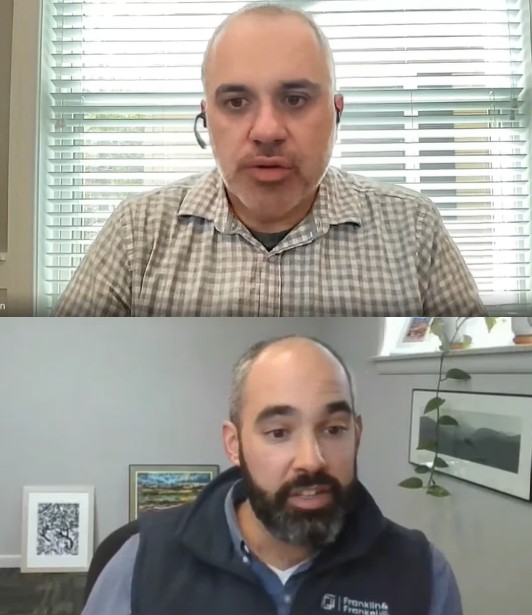
I spend a lot of time in the dental and healthcare transaction space, and for years, Dental Service Organizations, better known as DSOs, have been buying up independent dental practices at a steady pace. I recently had the chance to discuss this trend, and what it means for the business of practicing law, in an “Ask Me Anything” session hosted by Best Era, a professional network community I’m proud to be a part of. The conversation was a great one, and it pushed me to put these thoughts in writing, because what is happening in dentistry may be a preview of what is coming for other professions, including law.
What Is a DSO, and Why Are They Everywhere Right Now?
A DSO is a non-clinical entity that acquires the non-clinical assets of a dental practice, covering administration, staffing, billing, and marketing, while a licensed dentist continues to handle the clinical side. Because most states require dental practices to be owned by licensed dentists, the purchase agreement is typically split: the DSO acquires the non-clinical assets, while a separate clinical entity retains the professional side. Deals are often broker-driven, evaluated primarily on cash flow, and structured with an upfront payment sometimes paired with DSO equity or performance-based earnouts.
The model gained momentum as private equity discovered the predictability of dental revenue, younger dentists with significant student debt opted out of ownership risk, and a generation of practice owners reached retirement age without succession plans. The picture is genuinely mixed: real advantages, real risks.
The Pros: Why Dentists Are Saying Yes
- Liquidity and a clean exit. For a dentist who has spent decades building a practice, a DSO acquisition can represent a meaningful payday and a path to retirement without the complications of finding and financing a buyer.
- Relief from the business burden. Running a small business is hard. DSOs promise to absorb the administrative weight, letting dentists focus on clinical care rather than payroll, billing disputes, and marketing campaigns.
- Access to resources. Larger organizations can negotiate better supply contracts, invest in advanced equipment, recruit associates, hygienists and assistants, and offer continuing education opportunities that a solo practice might struggle to match.
- Reduced personal liability exposure. Shifting ownership can reduce certain personal financial risks, particularly for practitioners who have been personally guaranteeing leases or equipment financing.
- Retention of clinical autonomy, at least on paper. Many DSO agreements are structured to preserve clinical decision-making authority for the treating dentist. Whether that holds up in practice depends heavily on the organization and the deal terms.
The Cons: What Dentists Often Don’t See Coming
- Loss of identity and culture. A practice built on relationships with patients and staff has a culture. That culture can erode quickly under corporate ownership, and patients notice.
- Employment agreements that bind. After a sale, many dentists find themselves locked into multi-year employment contracts with non-compete, non-solicit, and confidentiality clauses that limit their options if things don’t go as expected.
- Earnout structures and deferred value. Not all of the purchase price arrives on day one. Many deals include earnouts tied to future performance metrics, which shifts risk back onto the selling dentist.
- Less flexibility in clinical operations. Despite promises of autonomy, production pressures and corporate protocols can quietly reshape how care is delivered.
- Landlord complications. This one catches sellers off guard more than almost anything else. When a third-party landlord learns that a large corporate entity is stepping in, they often see an opportunity to renegotiate lease terms. What looked like a clean transaction can get held up or repriced because of a lease assignment fight that nobody anticipated.
- The deal is only as good as the review you do upfront. Many dentists enter these transactions without the legal and financial support they need, and they discover the gaps after it’s too late.
Now, What Does This Have to Do With Law Firms?
The short answer is: more than most attorneys in Connecticut and Massachusetts are currently paying attention to.
Management Service Organizations, or MSOs, follow the same structural playbook as DSOs. A private equity-backed entity acquires the non-legal operational infrastructure of a law firm, including technology, HR, marketing, billing, real estate, and client intake, and manages those functions back to the firm under a long-term services agreement. The law firm itself remains owned by licensed attorneys and continues to practice law. The MSO collects a flat management fee, structured carefully to avoid any profit-sharing tied to legal revenues, which is the line that typically separates a permissible arrangement from a prohibited one.
Private equity interest in legal services has accelerated meaningfully in the last couple of years, with MSO structures moving from theoretical workarounds to actual, financed transactions. The pitch to investors is familiar: a large, fragmented market, predictable cash flows, and professionals who have historically had no access to outside capital. The structural parallels to healthcare and dental are direct, and hundreds of billions of dollars were deployed in physician and dental practices through MSO structures before anyone in law was paying serious attention.
That said, Connecticut and Massachusetts attorneys should not expect a call from a PE-backed MSO anytime soon. The ethical landscape here has not changed. The jurisdictions that have moved furthest, including Arizona most prominently, and more recently Utah, Puerto Rico, and Washington, D.C., have done so through affirmative regulatory action, eliminating or modifying their versions of Model Rule 5.4 to permit nonlawyer ownership or investment. Neither Connecticut nor Massachusetts has shown any signs of going down that road.
The more interesting question, and one I don’t believe has been tested here, is whether a carefully structured MSO would actually violate Connecticut or Massachusetts ethics rules as they currently exist. Proponents argue that a properly structured MSO doesn’t violate the Rules of Professional Conduct at all, because it doesn’t practice law and doesn’t share in legal fees. It just provides management services for a flat fee, same as any other vendor. State bars in many jurisdictions have approved similar outsourced administrative arrangements for decades on essentially those same conditions. Whether a PE-backed MSO structured along those lines would survive bar scrutiny here is, to my knowledge, an open question that hasn’t been answered. No Connecticut ethics opinion has addressed it directly, and the answer would likely turn on the specifics of how the deal is structured.
What I can say with confidence is that the forces driving the DSO wave in dentistry are present in law right now: firm owners approaching retirement without succession plans, younger attorneys unwilling or unable to buy in at traditional valuations, rising technology and overhead costs that smaller firms struggle to absorb, and private equity looking for its next fragmented professional services market. The timing and structure may look very different here than in Arizona. But the direction of travel is worth understanding before the calls start coming.
What Professionals Should Be Doing Now to Prepare
Whether you are a dentist or an attorney, the groundwork for a successful practice transition is largely the same. Here is what I tell clients:
- Get your operations in order. Documented systems, current employee agreements, clean compliance. Practices that run on institutional knowledge rather than documented procedures are harder to value and harder to sell.
- Know your real revenue picture. Consistent collections, stable volume, clean books. Inconsistencies and informal arrangements raise flags and reduce purchase price.
- Review your agreements. Lease terms, assignment rights, vendor contracts, partner agreements. Discovering gaps after you are in a deal is far more expensive than finding them first.
- Think about entity structure early. How your practice is organized shapes how a sale is structured and how proceeds are taxed. This is a years-long planning conversation, not a last-minute one.
- Know what you actually want. Dentists who regret DSO sales often skipped the honest self-assessment. Clarity on your goals should drive deal structure.
- Work with advisors who know your field. Practice transitions carry licensing, regulatory, and profession-specific layers that general business counsel may not be fluent in.
A Final Thought
The DSO wave in dentistry did not happen overnight, and most dentists did not see the full shape of it until they were already navigating it. The same pattern tends to repeat across professions. The ones who come out ahead are the ones who paid attention early, did the preparation work, and had advisors who could help them understand what they were actually agreeing to.
If you have questions about dental practice transitions, healthcare business law, business structure, or what these trends might mean for your situation in Connecticut or Massachusetts, our team at Franklin & Frankel is here to talk. And if you are a fellow Best Era member who wants to continue the conversation, I would love to hear from you.