

Sharing the Keys to Success: A Recap of My Recent Seminar on Commercial Real Estate
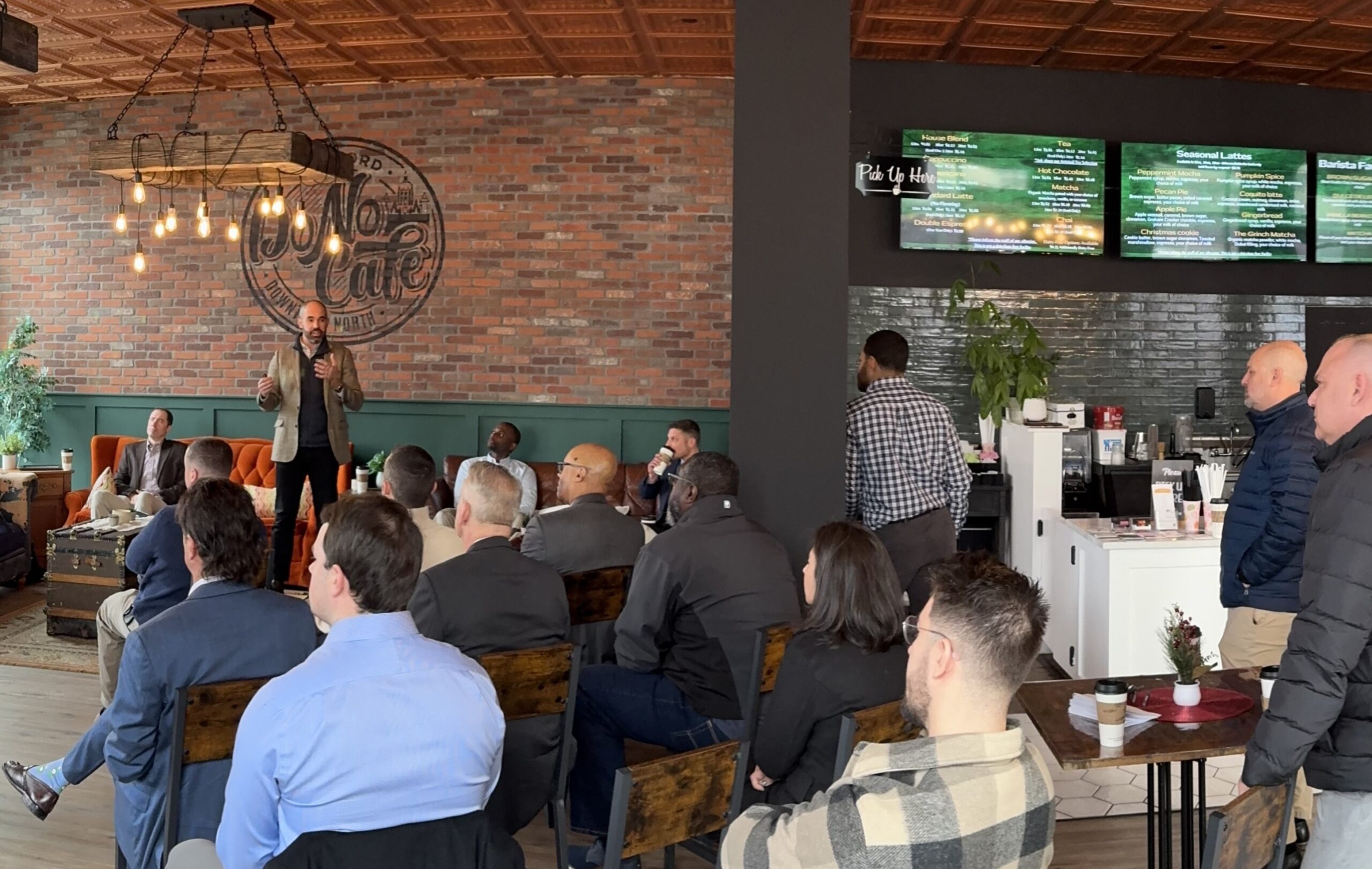
A few weeks ago, I had the pleasure of speaking with a group of local business owners, investors and lenders to discuss one of the most significant milestones a business can reach: transitioning from leasing to owning your own commercial space.
Buying commercial real estate for your business is an exciting step, but the legal landscape is quite different from buying a home. During our presentation, we walked through the lifecycle of a deal, from the moment you begin thinking about buying through the closing and beyond.
If you weren’t able to make it to the event, I wanted to share a few of the “big picture” items we covered that every business owner should keep in mind.
Getting the Foundation Right
We started at the beginning: Structuring Ownership. Many people wonder if they should take title in their personal name or through an entity like an LLC. Generally, we recommend using an LLC to help with liability segregation. This is also the time to think about your internal governance and how you will make decisions, plus, if you have partners, how you will handle a partner’s desire to sell or a partner’s death.
The Power of the LOI
Before the formal contract is even drafted, we negotiate a Letter of Intent (LOI). This is where we lock in the big terms like price, the length of your due diligence period, and the specific conditions that must be met before you are fully committed to the purchase. It’s much easier to negotiate these points early on than to try and change them once a formal purchase agreement is on the table.
The Purchase Agreement
We also discussed the purchase agreement, which is the key contract in the purchase of your commercial real estate. It spells out the parties’ agreement on price, how the purchase price will be paid and when, what needs to happen (or not happen) for each side to be required to close, and contains the representations and warranties. We discussed how the representations and warranties are the things that each party says are true as of the closing date. They are particularly important to the buyer because the buyer is taking the seller’s word that the property is as the seller says it is.
Due Diligence: More Than a Walkthrough
Once under contract, the “due diligence” phase begins. This is more than just looking at the roof and the HVAC. In the commercial world, this means:
- Zoning and Use: Can you actually operate your specific business there? We look at everything from parking counts and signage to your intended hours of operation.
- Environmental Risks: This is a big one that can outlive the deal itself. A “Phase I” environmental study is standard and often required by lenders to ensure there isn’t hidden statutory liability from a previous use, like a dry cleaner or an old gas station.
- Title and Survey: We check for old easements, shared driveways and rights of way, or municipal liens that could interfere with your ownership.
Closing the Deal
Finally, we discussed the path to the finish line, including lender requirements and the mountain of closing deliverables like deeds, bill of sale documents, and tenant estoppels if you are taking over a building with existing leases.
Mistakes to Avoid
We wrapped up the session by highlighting common pitfalls, such as skipping a survey, ignoring existing service contracts, or failing to align your loan timing with your due diligence deadlines.
Helping business owners in West Hartford and across Connecticut and Massachusetts navigate these transitions is exactly why we do what we do. If you are thinking about making a move into a commercial space of your own, I’d love to help you get the details right.
Contact us today to learn more!