

Buying a Dental Practice: First Due Diligence Steps to Take Before You Commit
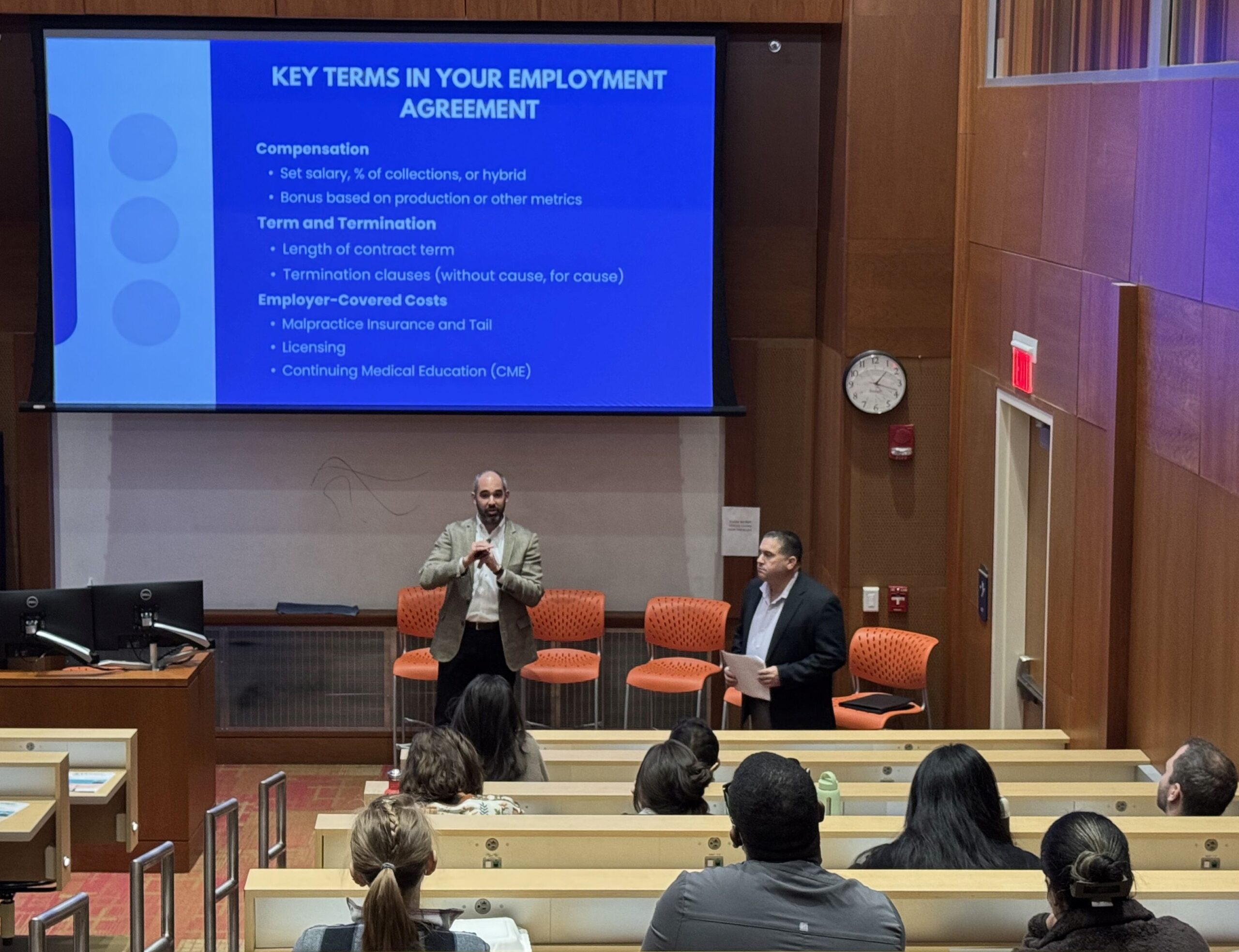
Last week I spoke with a group of dental residents about the big leap from being an associate to an owner. One theme came up again and again: buying a dental practice can be an incredible opportunity, but the early diligence is where you either set yourself up for a great purchase or inherit a set of problems you did not see coming.
At the start of a potential acquisition, your job isn’t to become an expert on every line item. It is to answer a simpler question: does this practice’s story match its numbers and do the numbers hold up under real-world conditions?
Start by understanding the practice’s real story
Before you dive into financials, take a step back and learn how the practice actually works. Why is the owner selling? How dependent is the practice on that specific doctor’s production and relationships? Is there a transition plan that gives patients time to get comfortable with you, or is the seller planning to disappear right after closing?
A practice that looks strong on paper can still be fragile if revenue is heavily tied to one individual who is leaving quickly. On the other hand, a practice with stable hygiene, consistent new patients, and systems that run without constant owner intervention may be far more transferable.
Move to the documents that are hardest to fake
Early diligence should start with the basics: three years of tax returns, along with profit and loss statements and production or collection reports. It is not because these documents tell the full story, but because they are the fastest way to confirm whether the headline numbers are real.
It is always possible for there to be a mismatch between what is being presented in a marketing package and what shows up in the tax returns. Sometimes it is innocent. Sometimes it involves aggressive add-backs. Either way, if the tax returns, P&L, and production reports do not tell a consistent story, it is a sign to slow down and ask better questions.
Ultimately, what you care about is not just profit in an abstract sense, it is cash flow. Can the practice support loan payments, reinvest in equipment and staff, and still leave enough income for you to live on? A deal can look attractive until you model what ownership actually feels like month-to-month.
Payor mix shapes the whole practice
One of the most important early indicators is the insurance versus private-pay mix. That split affects everything: valuation, staffing needs, marketing strategy, and the reliability of collections.
If the practice is heavily insurance-driven, you want to understand the reality of adjustments and write-offs because gross charges do not equal collectible revenue. This is where buyers can overestimate profitability if they are not careful. The practice might produce a lot, but if contractual adjustments consistently reduce what is collected, the effective revenue picture may be very different than it looks at first glance.
Overhead is where practices succeed or struggle
Two practices can have identical collections and wildly different take-home income. That difference is usually overhead: staffing costs, supplies, labs, rent, and software.
In early diligence, you are looking for whether expenses are trending in a reasonable direction. If staffing is extremely expensive relative to collections, the question isn’t just “can we reduce it?”, it is whether the practice is operationally dependent on that current structure.
Accounts receivable can be a trap
The key question with accounts receivable is not how big the number is, but how collectible it is. An aging report helps here. Current balances are often collectible while older balances may not be. You also want to understand whether the balances are mostly insurance or patient responsibility. You should be cautious about paying for numbers that may never convert to real collections.
Don’t let the lease be an afterthought
It is easy to focus on the practice and forget the real estate, but the lease can make or break the deal. Rent escalations, renewal options, and maintenance obligations can materially affect your overhead and your flexibility. Even if the practice is profitable today, a landlord who will not agree to reasonable assignment terms can turn a good practice into a stressful experience.
You are buying a business and legal obligations
Even at the early stage, it helps to have clarity on deal structure. Are you buying assets or equity? What liabilities might you inherit? Are there key vendor contracts or employment agreements that need attention?
This is why the best buyers build a disciplined process early: confirm the story, validate the cash flow, and identify the risks that need to be addressed in the deal terms.
A simple way to approach first-pass diligence
If you’re early in the process, a helpful sequence is:
- Start with three years of tax returns and basic financial reports.
- Evaluate payor mix and adjustment patterns.
- Review overhead and the lease.
Buying a dental practice is a major milestone. Our goal is to help you see the full picture early on, so you can build your career on a stable foundation.
If you are ready to take the next step toward practice ownership, contact our office today to schedule a consultation.